
Curing Custom T-Shirt Bottlenecks for the European Market
The Pressure on Custom Product Manufacturing
Across Europe, manufacturers of customised apparel and accessories face unprecedented pressure.
Consumers want variety, they want their garments quickly, and they expect competitive pricing. The days of producing large batches of identical shirts and holding stock are fading. Instead, the future belongs to small runs, one-off designs, and personalised products ordered online and delivered almost immediately.
For decorators, this shift exposes the weaknesses in traditional production methods.
Screen printing has long been a reliable option, but it is ill-suited for small runs or highly variable designs.
Each job requires careful setup, expensive screens, and skilled labour. Direct-to-garment printing answered some of these challenges, but it introduced new limitations. Pretreatment, high ink costs, restricted fabric compatibility, and the slow pace of production all make DTG a difficult fit for medium-to-large order volumes.
Both methods still tie skilled workers directly to machines and neither fully supports the “just-in-time” production model that the modern market demands.
The New Paradigm – Direct to Film
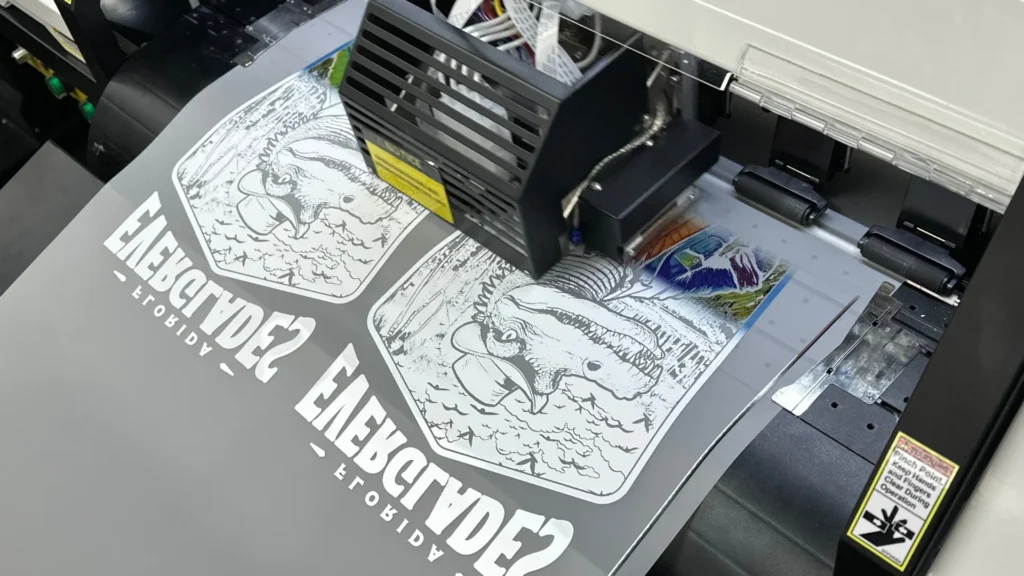
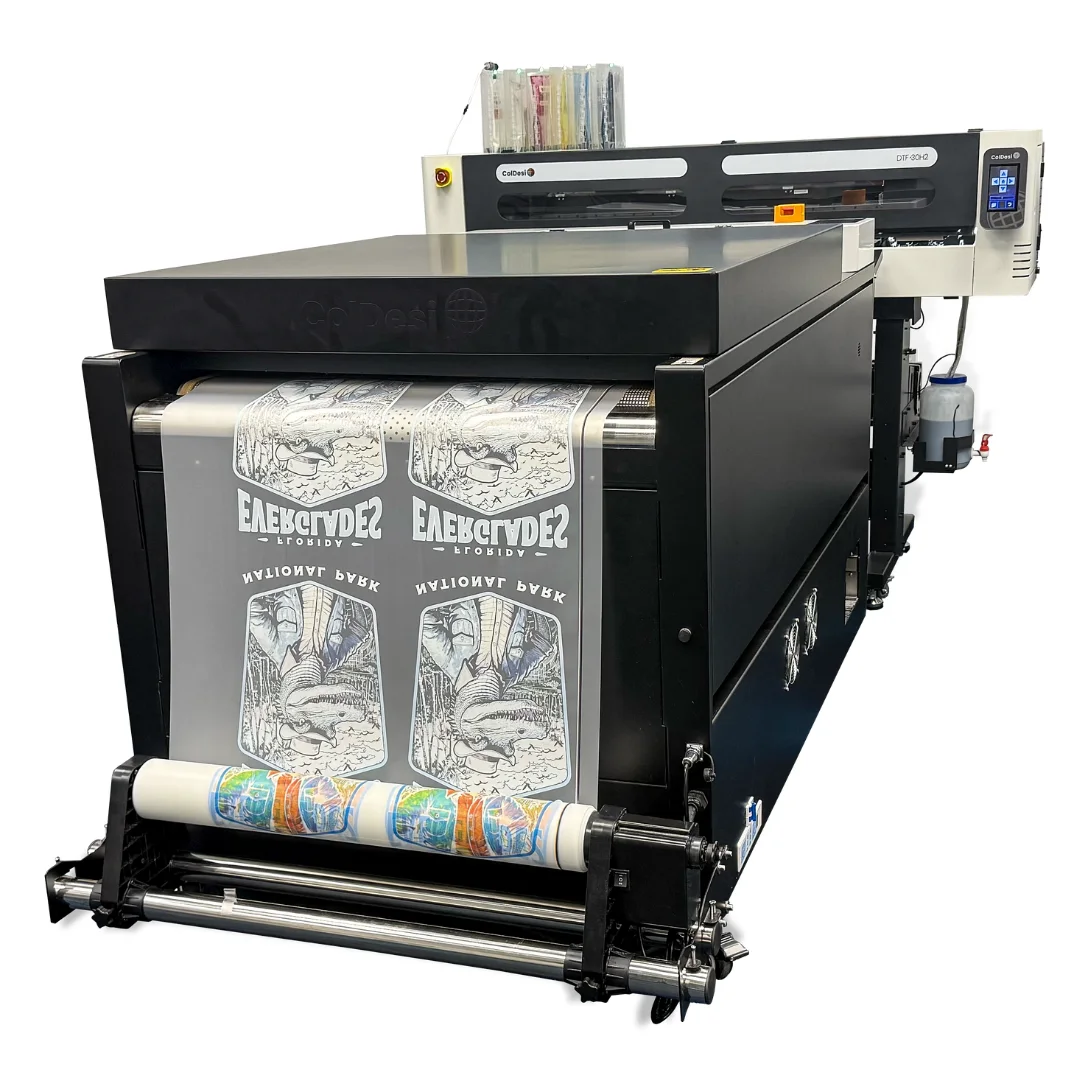
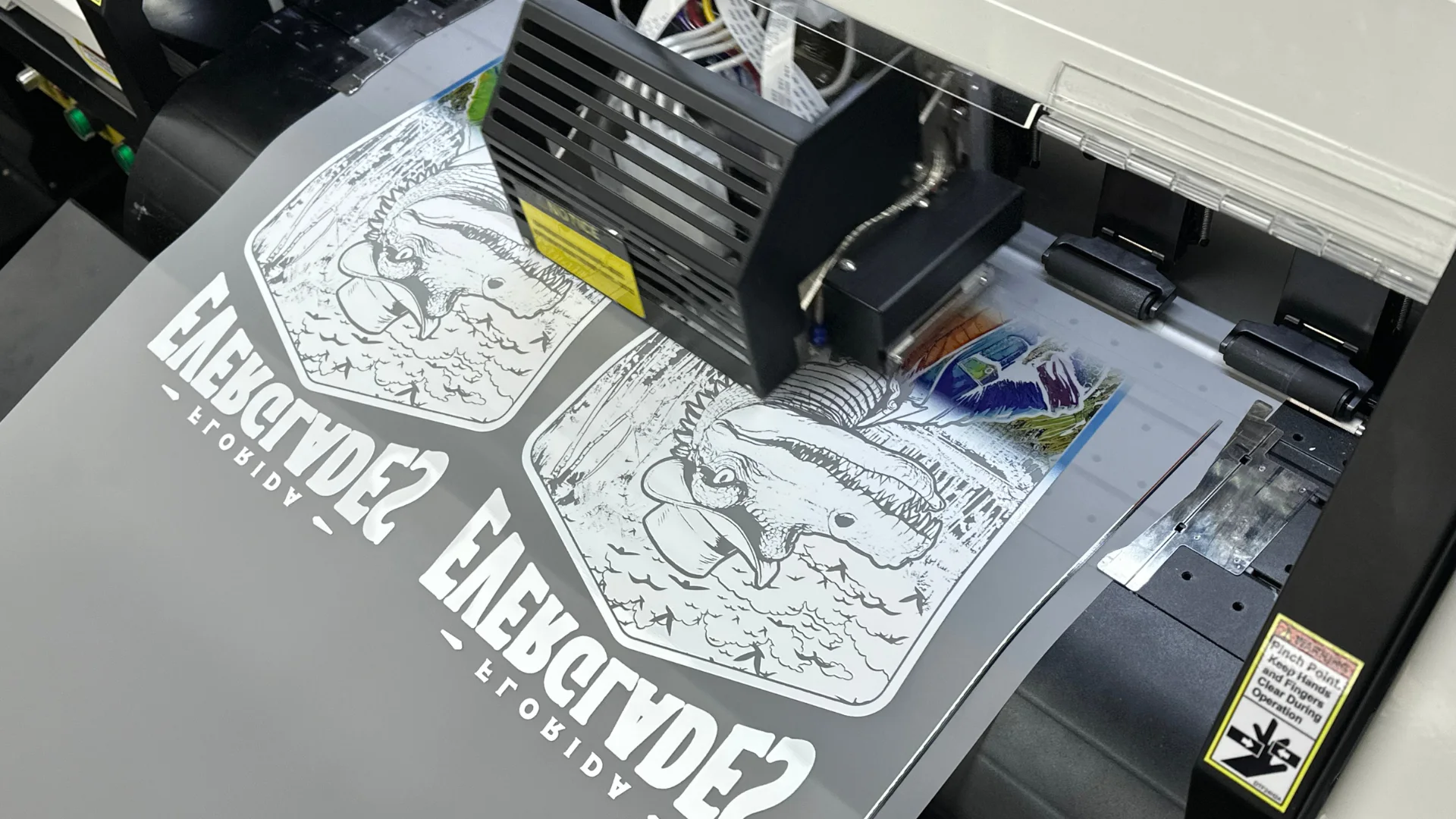
Direct to Film, or DTF, is changing this landscape. Instead of binding the worker to the machine and garment simultaneously, DTF decouples the process. Images are printed directly onto PET film, independently of garment production.
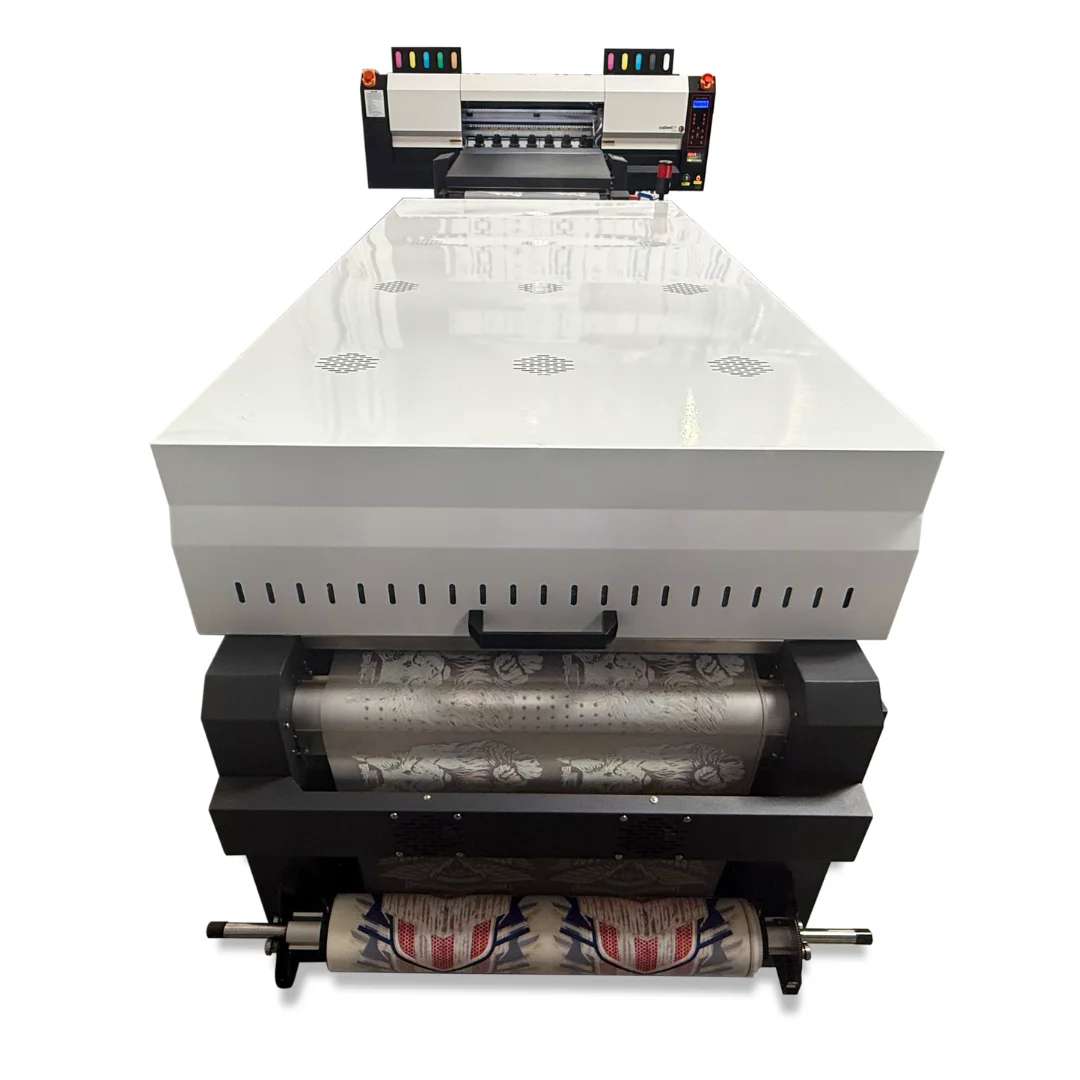
The printer runs continuously, producing rolls of finished transfers ready for pressing, while the operator is free to focus on preparing files, scheduling jobs, or managing other production tasks.
Once these transfers are prepared, they can be applied to virtually any fabric in a matter of seconds. Pressing is simple, quick, and requires no specialist training.
If demand surges, additional workers can be brought to the pressing stations without needing months of technical training. This transforms production from a linear, machine-bound process into a flexible, scalable workflow that can be expanded instantly to meet urgent deadlines.
Why DTF Matters for Europe
European decorators operate in one of the most diverse markets in the world. Fashion, sportswear, promotional merchandise, and event-based products each demand speed, colour accuracy, and the ability to work across a wide range of garment types.
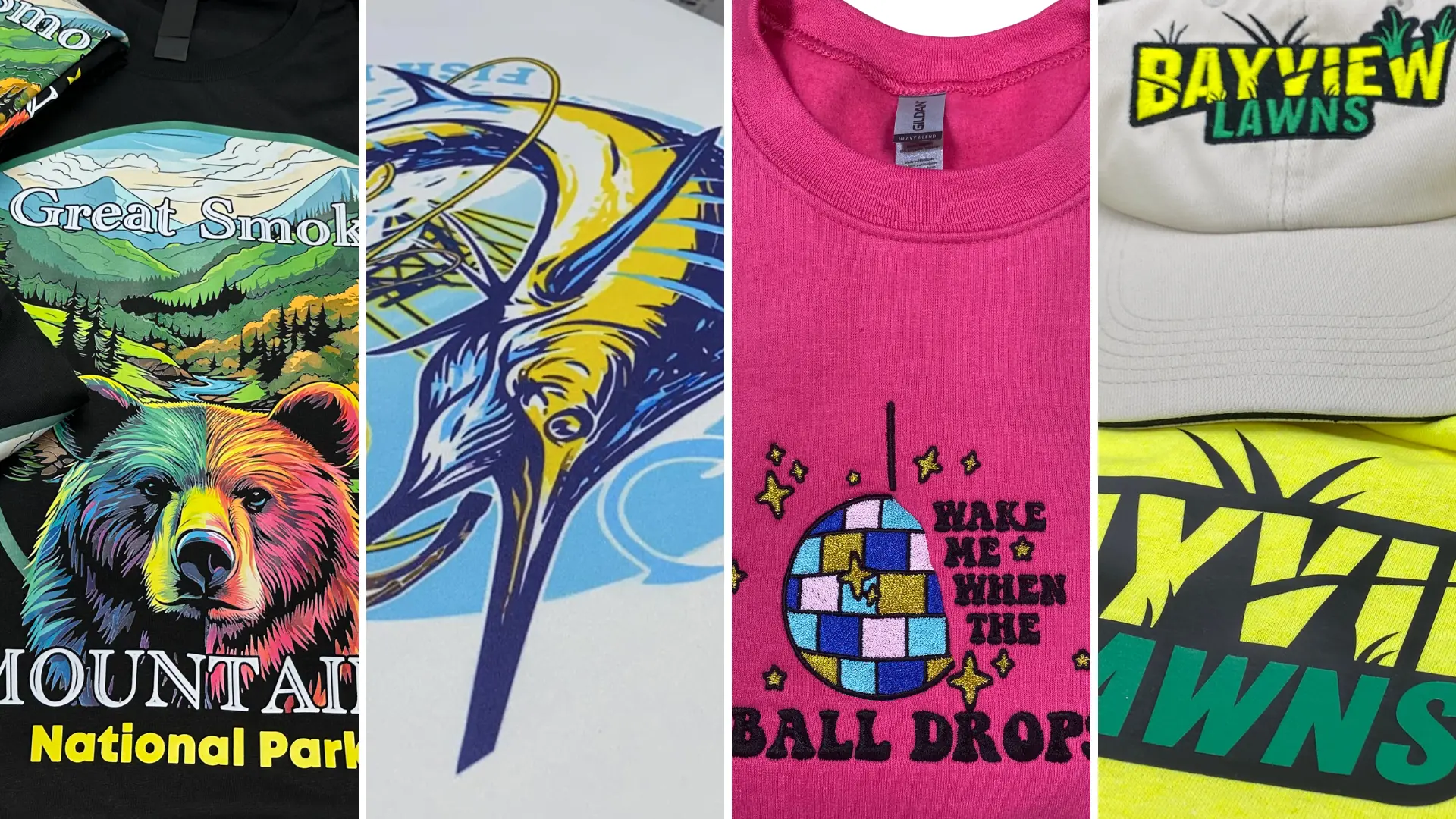
DTF excels where other systems fail: it can be used on cotton, polyester, blends, and performance fabrics without pretreatment. It delivers vibrant colours, sharp detail, and durable prints that rival traditional screen printing, yet at a fraction of the labour and space requirements.
The ColDesi Global Solution
ColDesi Global has built its DTF offering to meet these specific challenges. Rather than piecing together a solution from converted printers and makeshift curing systems, ColDesi delivers a fully engineered, performance-matched package.
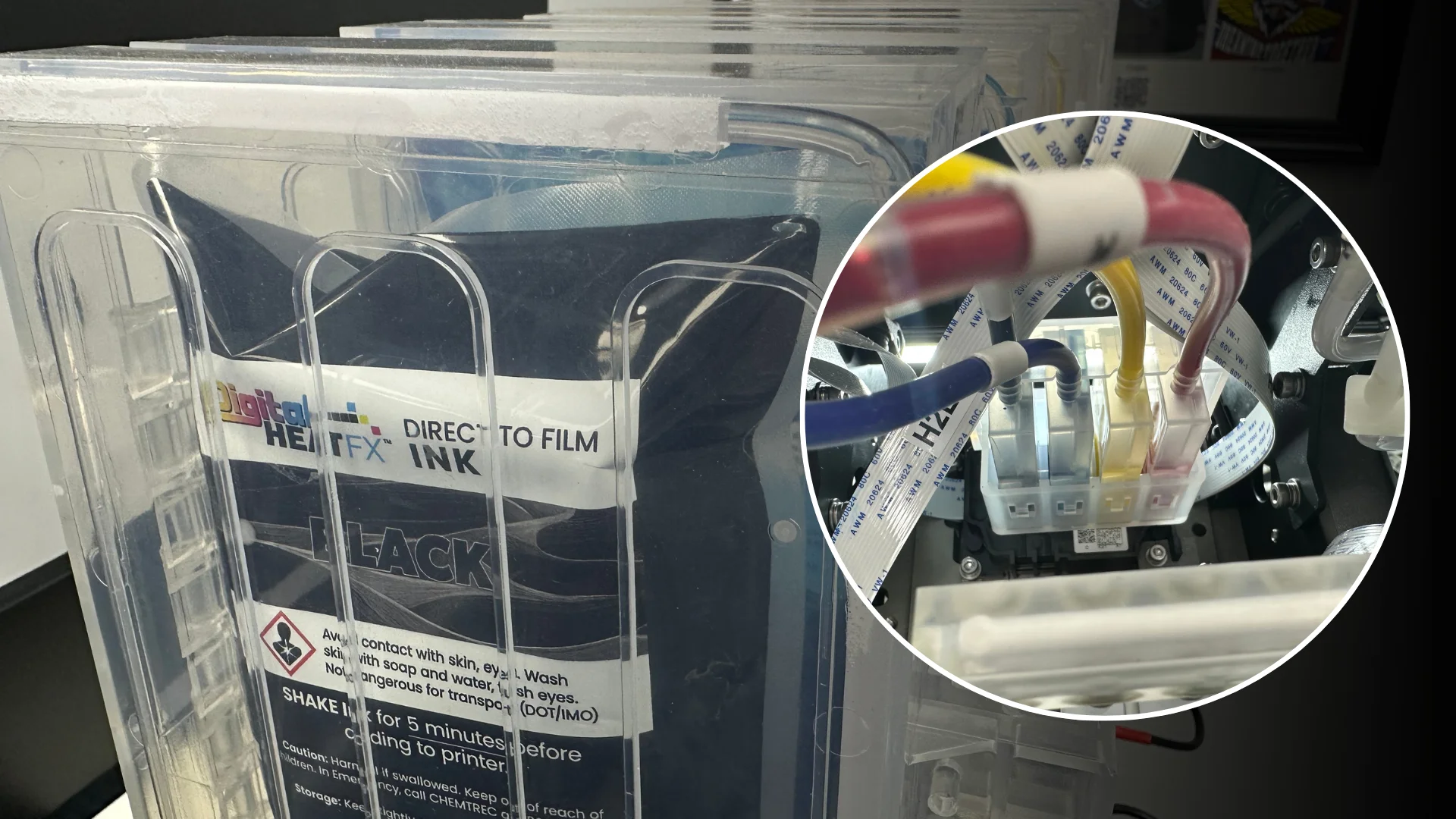
The printing hardware is paired with adhesives, powders, and films developed in-house by Coldesi, ensuring consistency and quality from batch to batch. The inks are tested to rigorous standards, with Oeko-Tex certifications to satisfy Europe’s strict safety and environmental regulations.
Digital Innovation on a Proven Foundation
DTF may feel revolutionary, but at its core it builds on a process
Europe already knows well: screen-printed transfers. For decades, plastisol transfers have been used to decorate garments by applying ink and adhesive to a carrier sheet before heat pressing onto fabric. DTF replaces the manual screen process with precise digital inkjet printing, combining the durability of a proven analogue method with the flexibility of digital technology.
This marriage of old and new is what makes DTF so powerful. It retains the reliability and robustness of traditional transfers while unlocking the infinite variability of digital print.
The result is a technology perfectly suited to Europe’s evolving custom products sector – one where speed, sustainability, and flexibility are not just advantages, but essential requirements.
 English (UK)
  English
  Español
  Español de México
  Français
  Deutsch
  Português