Expert Tips for T-Shirt Customisation

A Practical Guide for European Apparel Businesses

T-shirt customisation is one of the most dynamic sectors in Europe, combining creativity with technical expertise. Customers today demand variety, speed, and professional quality — whether it’s for fashion, sports, corporate branding, or events. Meeting these expectations requires more than eye-catching designs; it demands the right materials, processes, and production methods. With the right approach, decorators can deliver garments that not only look impressive but also stand the test of time.

Choosing the Right Garment

Every successful customisation job starts with the garment itself. Cotton remains the most versatile fabric, ideal for DTF and embroidery, while polyester is the essential choice for sublimation. Blends can work well but should always be tested for compatibility before full production.

Garment colour plays a big role in the outcome. Light shirts allow sublimation to shine with bright colours, while dark fabrics are perfect canvases for DTF transfers or embroidery logos. Construction quality matters as well: tightly woven fabrics support sharp digital prints, while garments with a high stitch density provide a cleaner surface for embroidery.

For European decorators, where premium products often command higher margins, investing in quality blanks helps set the foundation for superior results.

Designing with Production in Mind

The best designs balance creativity with practicality. Planning ahead ensures the artwork not only looks good but also translates effectively to the chosen method. A vibrant, photo-realistic graphic might be perfect for DTF, while embroidery is better suited to clean, bold logos with defined shapes.

Digital mock-ups are invaluable for previewing how artwork will sit on the garment. They allow decorators to experiment with placement, scale, and colour contrast before committing to production. This not only prevents costly mistakes but also helps customers approve designs with confidence.

Balancing Creativity and Clarity
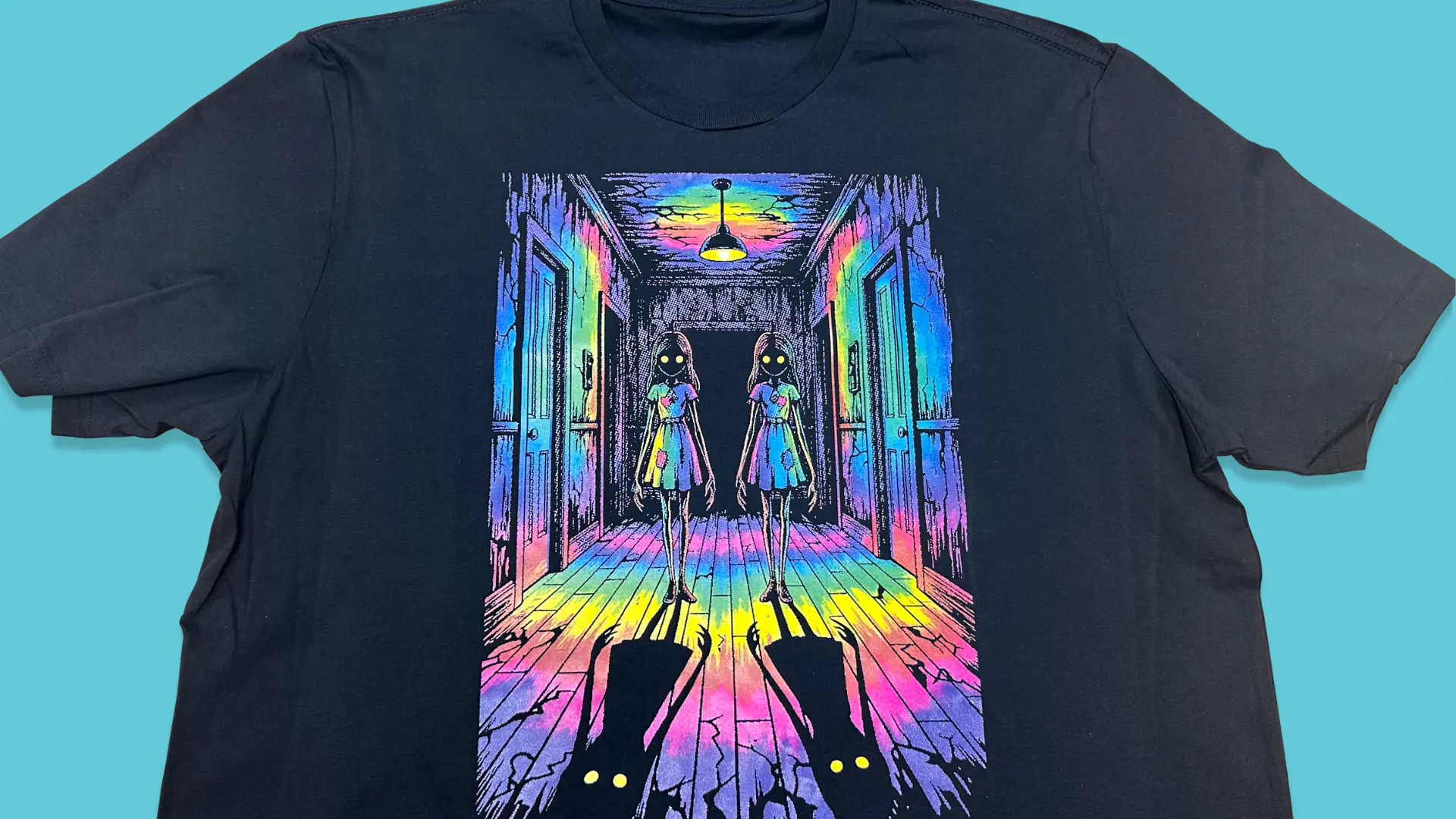
Europe’s customisation market thrives on diversity — from minimalist corporate branding to colourful sportswear and fashion-forward designs. Whatever the audience, clarity remains key. Overly detailed graphics risk losing definition in embroidery stitches, while overly simple artwork can look uninspired in digital print.
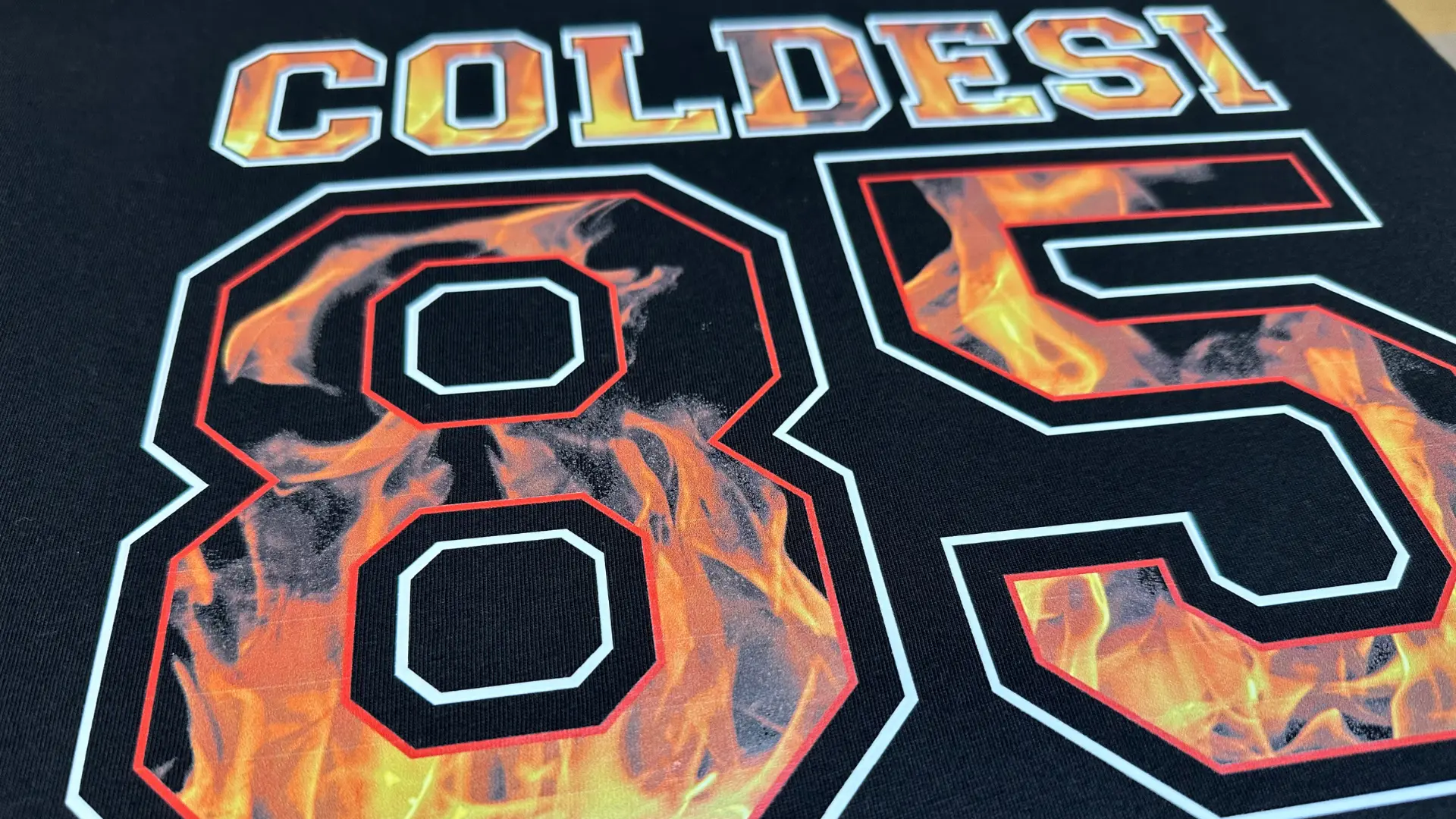
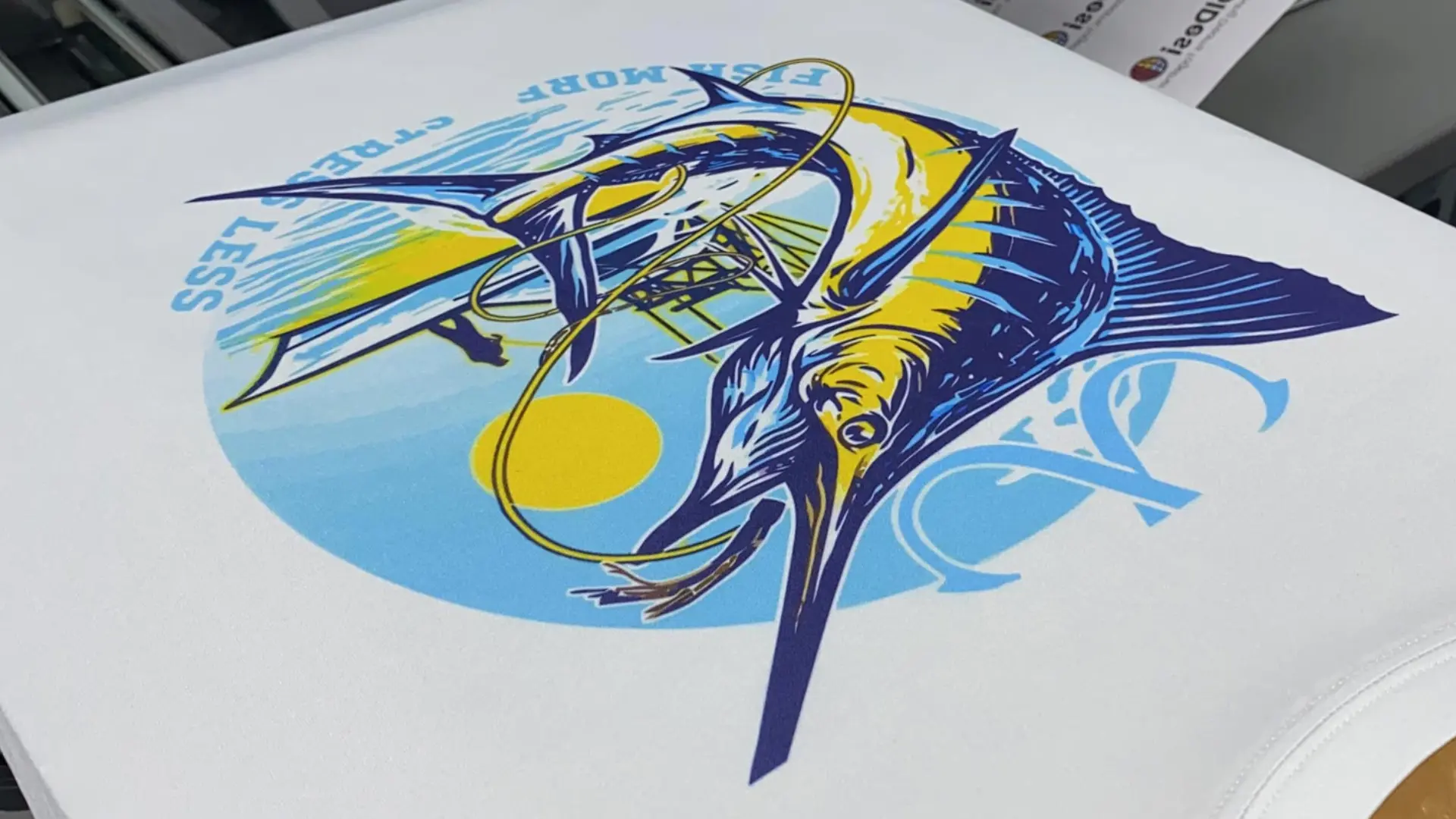
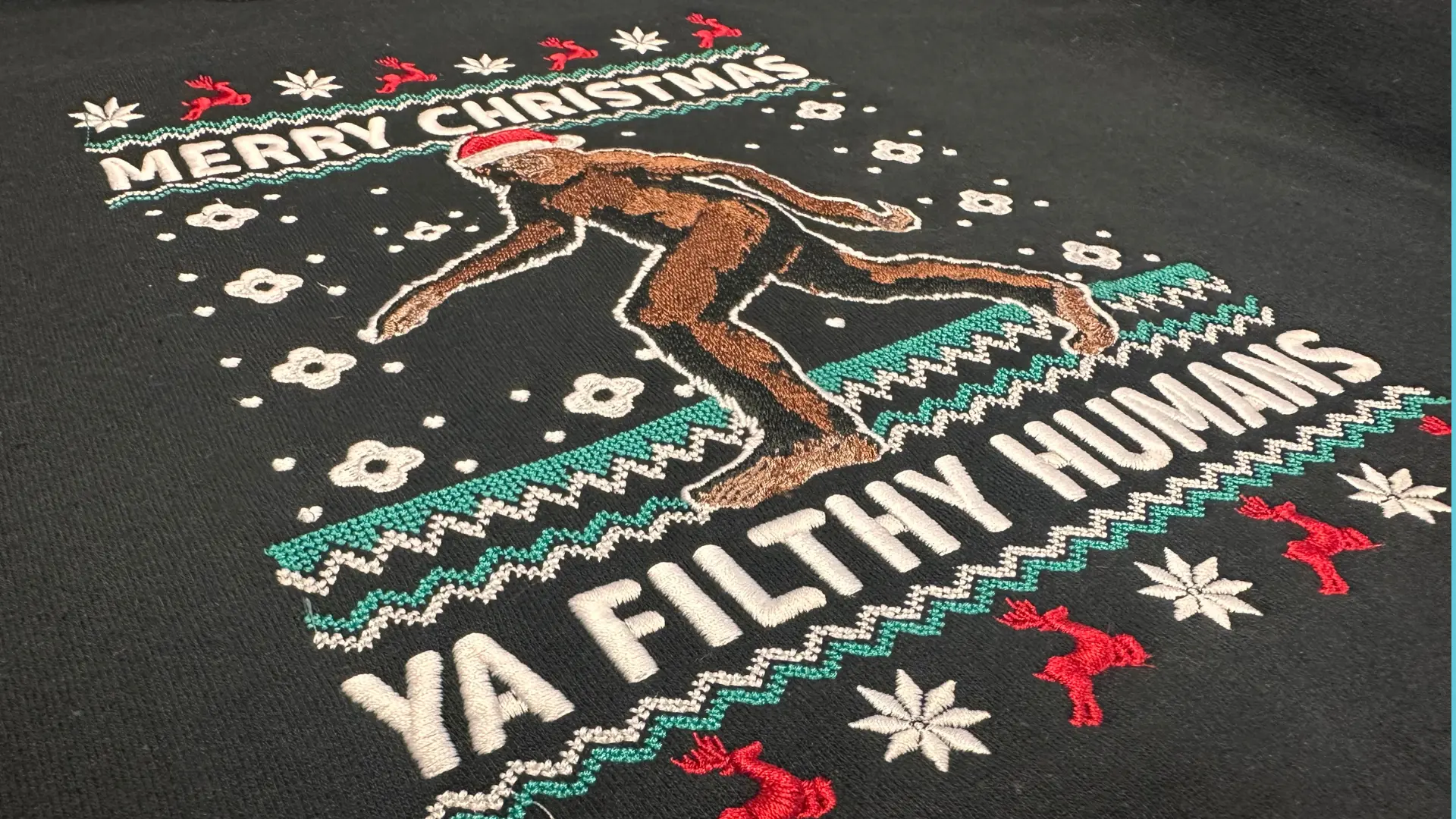
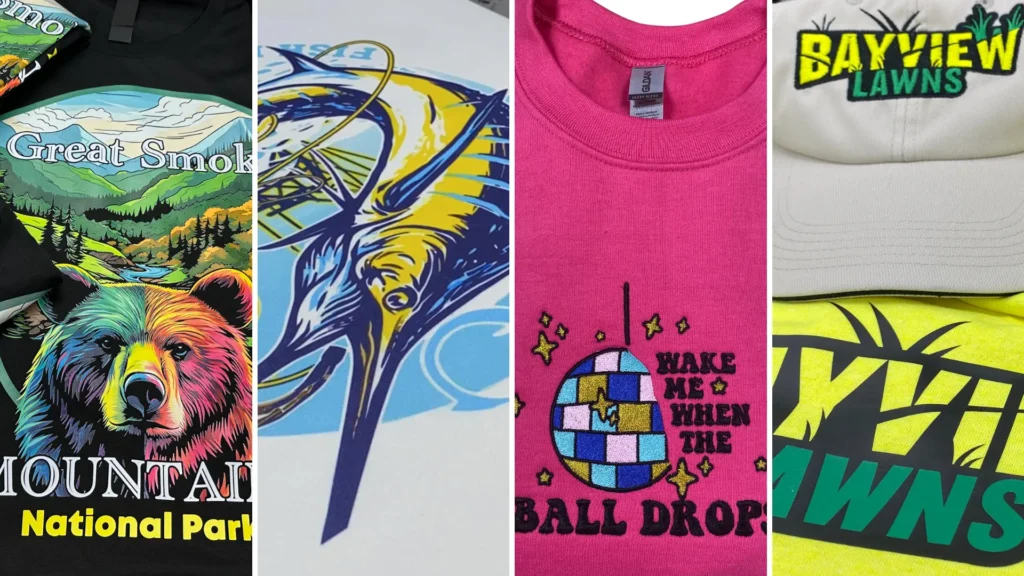
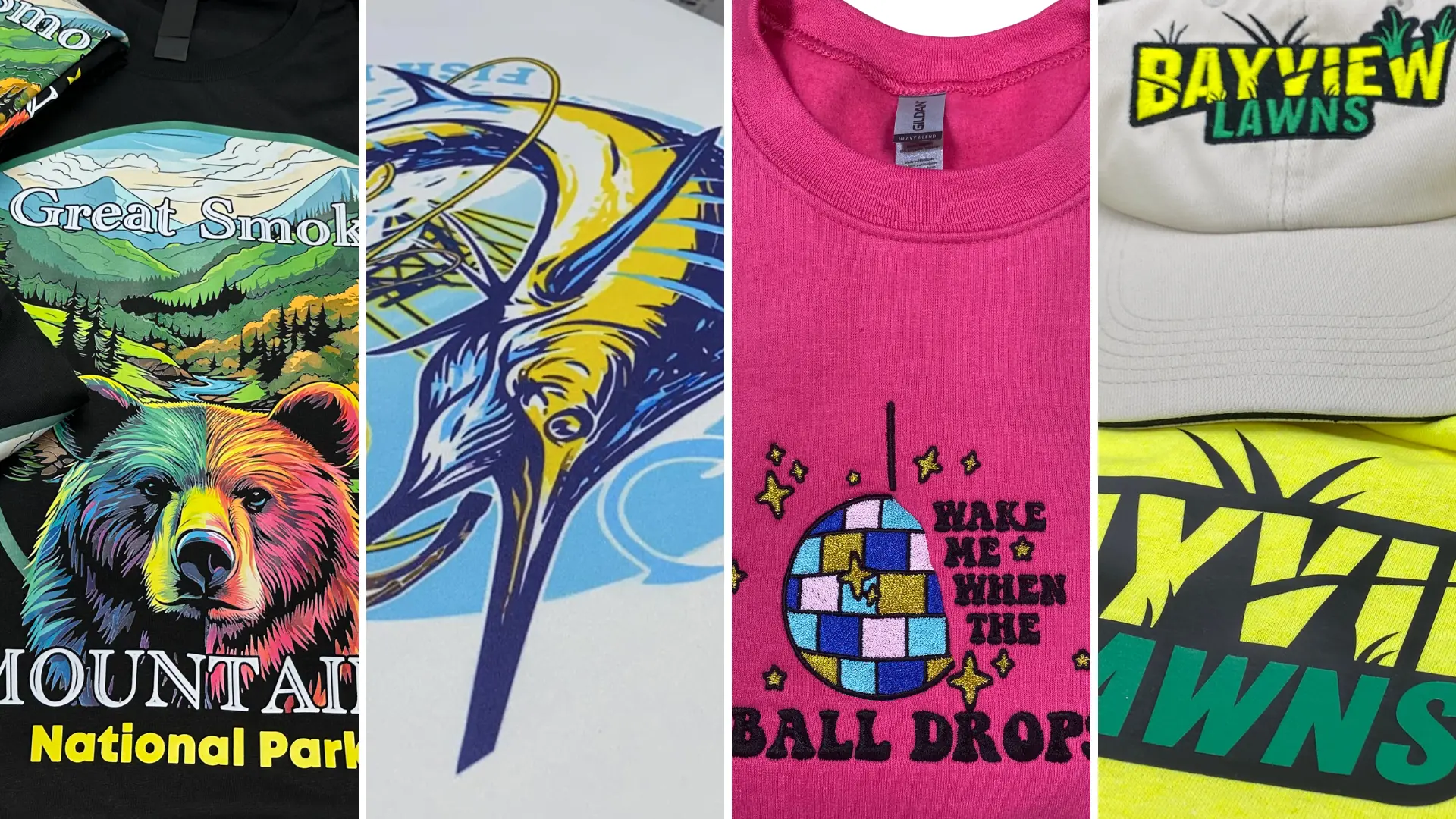
DTF excels in handling vibrant, complex imagery, while embroidery adds texture, dimension, and a tactile sense of quality. Sublimation delivers unmatched colour vibrancy on polyester garments. Matching the method to the style ensures the design not only looks good but also feels appropriate for the customer.

Preparing Artwork and Managing Colour
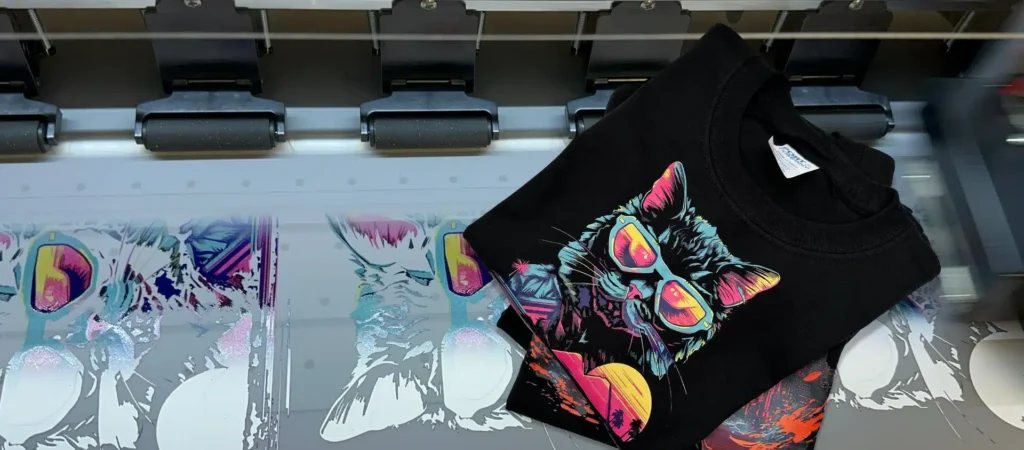
Clean, production-ready files are critical. For DTF and sublimation, artwork should be created at 300 DPI, in CMYK colour mode, with crisp lines and edges. For embroidery, designs must be digitised properly, avoiding overly thin lines or gradients that won’t translate well to thread. Simulation tools allow decorators to preview stitch density and alignment before running a job.
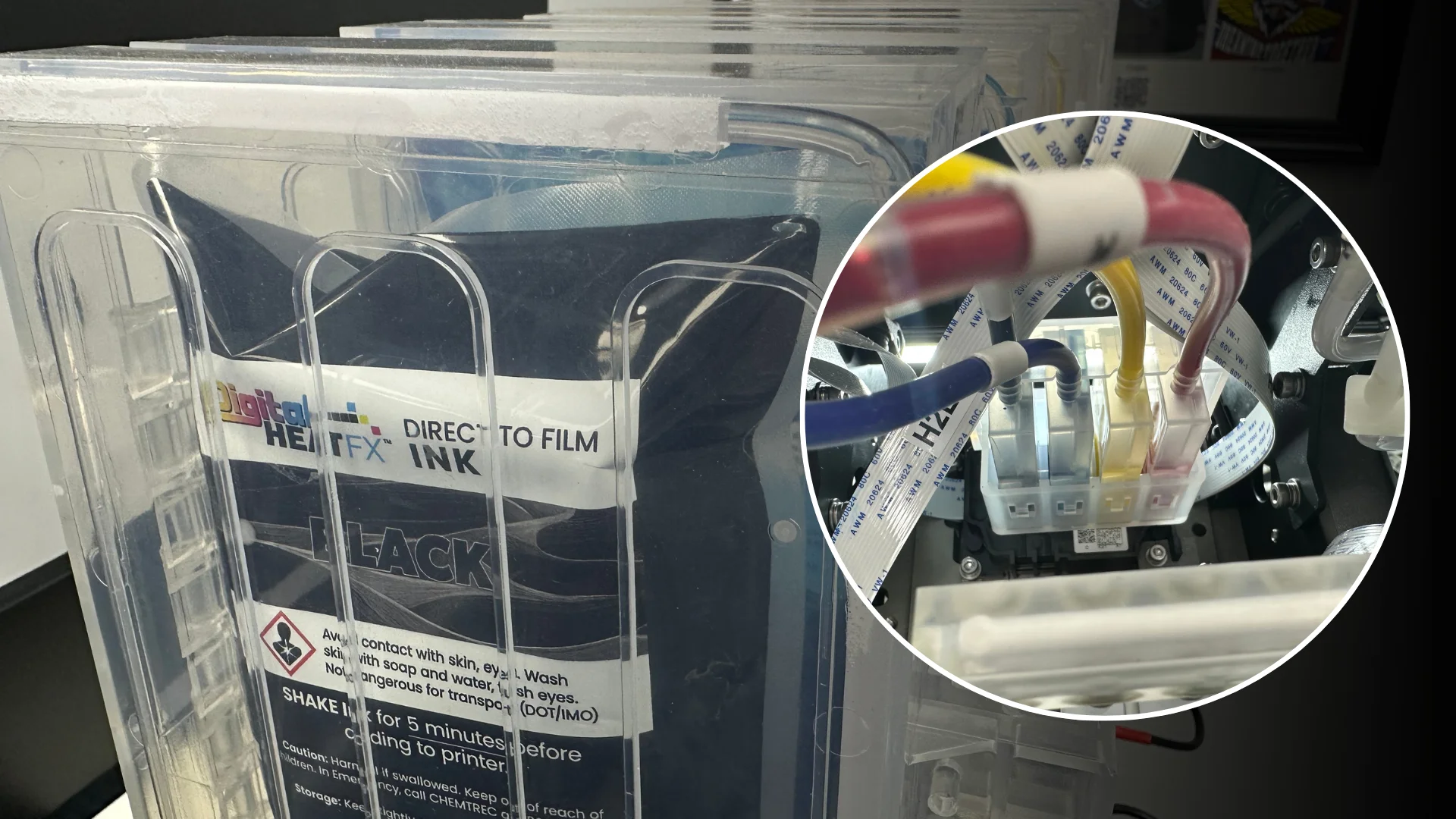
Colour control is equally important. DTF printers rely on underbase layers to maintain brightness on dark fabrics, sublimation works best on light polyester where the dye can fuse directly into the fibres, and embroidery threads must be carefully chosen to align with Pantone or brand specifications. Test samples remain the best way to confirm accuracy before full production.

Placement and Professional Presentation

The placement of a design defines how polished the final garment looks. Logos should be positioned consistently across all shirts in a set, whether it’s a left chest embroidery for corporate uniforms or a central DTF print for a sports team. Heat presses with guides simplify this process for transfers, while proper hooping techniques ensure embroidery designs remain straight and secure. Consistency here elevates the perception of professionalism.

Choosing the Right Method

Each decoration method brings its own strengths.
By evaluating fabric type, design style, and customer expectations, decorators can select the method that provides the best balance of quality and cost.

Workflow and Efficiency

Beyond creativity and equipment, workflow efficiency defines profitability. Using RIP software to manage colour for digital systems, staging garments by size and order, and applying consistent quality checks all reduce delays and errors. Cross-training staff across embroidery, DTF, and sublimation ensures production continues smoothly even during peak demand. For European businesses managing varied orders with short lead times, efficiency is the difference between simply surviving and thriving.

Building Long-Term Success

T-shirt customisation in Europe requires strategy as much as artistry. From selecting premium garments to tailoring designs for the intended audience, every step shapes the customer’s experience. Investing in preparation, clarity, and the right technology leads to garments that deliver on both quality and durability.

With decades of expertise and a global presence, ColDesi Global provides the tools, training, and support to help European decorators expand and succeed. From DTF and sublimation to embroidery and rhinestone solutions, our equipment and consumables are matched by lifetime training and global technical support.
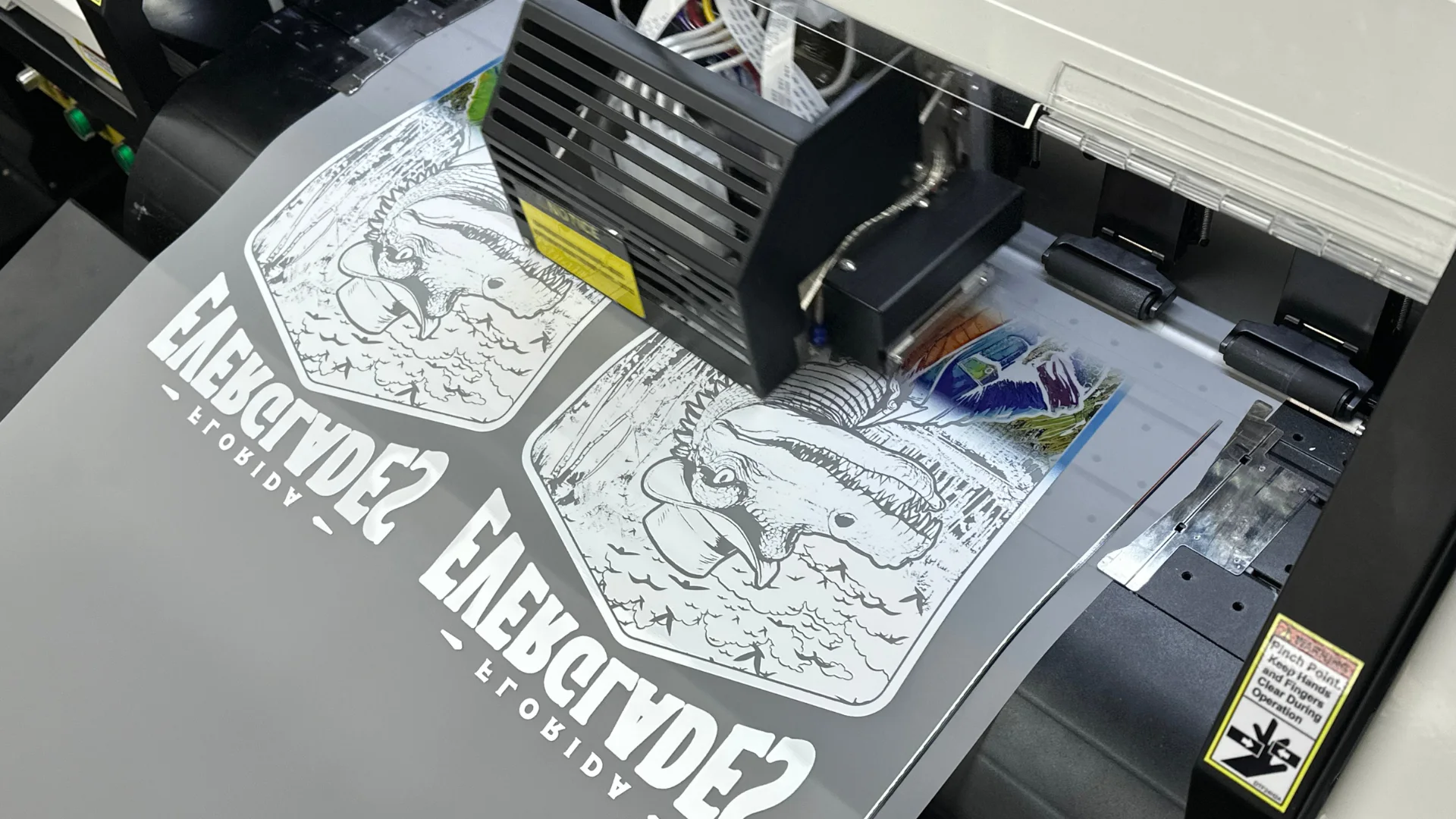
ColDesi Global – Your Partner in European Customisation Success

DTF Printing White Paper

Curing Custom T-Shirt Bottlenecks for the European Market The Pressure on Custom Product Manufacturing Across Europe, manufacturers of customised apparel and accessories face unprecedented pressure.

Read More »
en_GBEnglish (UK)